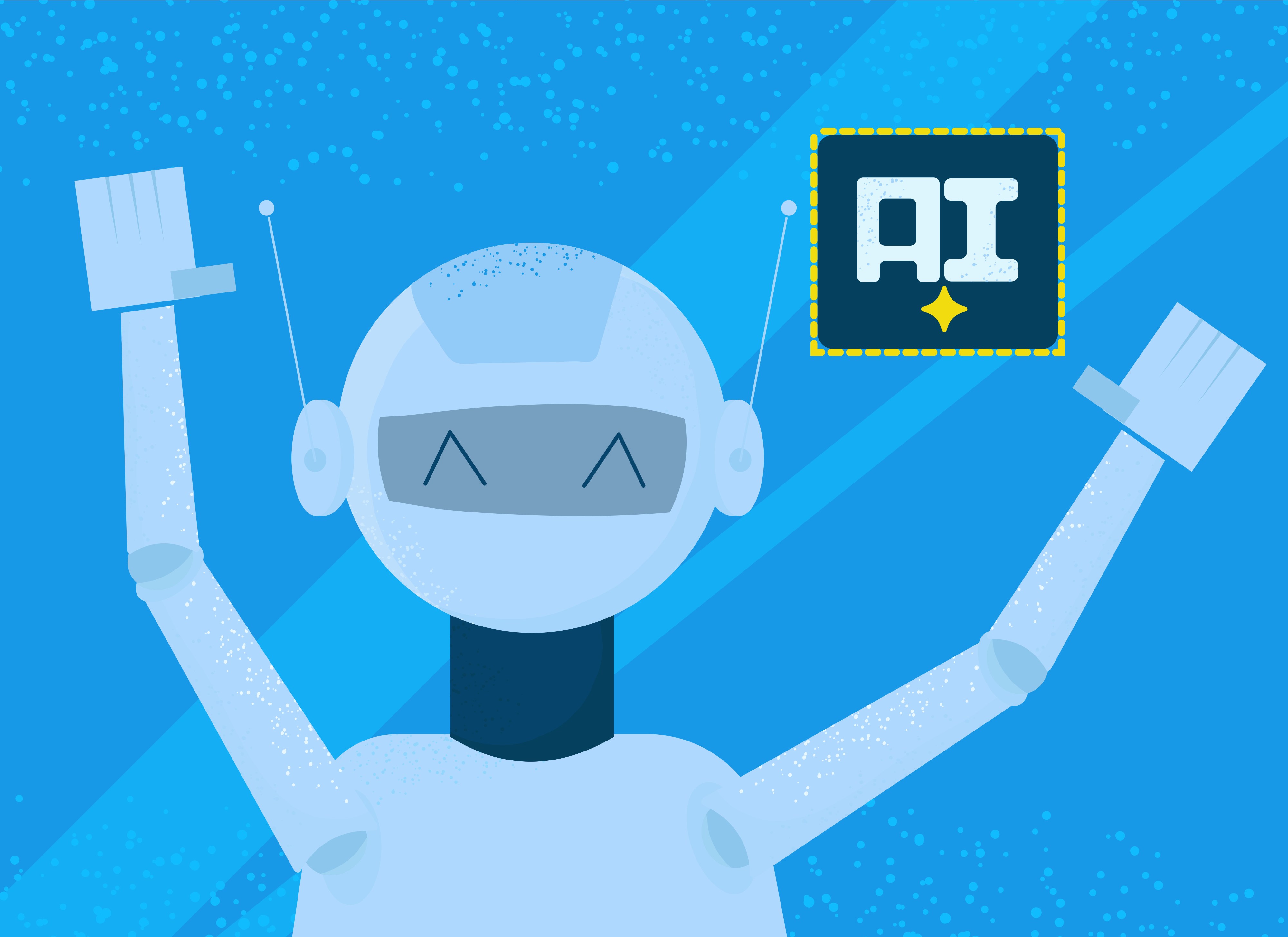
AI Just Got Administrator Privileges: Welcome to AI 3.0
AI 1.0 to AI 3.0
We can roughly divide the recent evolution of AI into stages.
AI 1.0: The Answering Engine
AI 1.0 began on November 30, 2022, with the public release of ChatGPT. This was the moment AI became mainstream. For most people, AI functioned as an answering engine. You asked a question, it generated a response. It wrote essays, explained concepts, summarized documents, and drafted emails. It was powerful, but largely passive. The human asked, the AI answered.
AI 2.0: The Productivity Copilot
AI 2.0 started when AI moved inside tools. The release of Cursor marked a shift. AI was no longer confined to a chat window. It was embedded directly into a development environment, able to modify code, refactor files, generate functions, and operate within a live project. AI evolved from an answering engine into a productivity-enhancing collaborator. Around the same stage, experimental systems like Antigravity pushed AI further toward automation and proactive assistance. AI 2.5 was about integration. AI worked with you inside your workflow.
AI 3.0: The Autonomous Butler
AI 3.0 represents a deeper shift. The release of OpenClaw on January 30, 2026 marked a transition from tightly controlled assistant to powerful digital butler. Unlike earlier systems that required step-by-step prompting, this generation operates with administrator-level privileges. It can execute commands, manage systems, coordinate tools, and act across environments. The difference is not just intelligence, but authority. A close cousin is Manus from Singapore. Manus offers similar agent-style capabilities, but within a more controlled, walled garden environment where access and actions are limited.
In short, AI 1.0 answered questions. AI 2.0 enhanced productivity. AI 3.0 executes with autonomy.
Each stage expands not only what AI knows, but what AI is allowed to do.
Max Li
Founder, Grassrootech
max@grassrootech.comMax is dedicated to bridging the gap between advanced research and practical industry application. Drawing on his experience at IBM Research and Union University, he leads the development of AI solutions that drive meaningful progress.
Read More
![[DRAFT] No Pain, No Gain: What My Daughter's MCAT Taught Me About Risk](/images/doctor.jpg)
[DRAFT] No Pain, No Gain: What My Daughter's MCAT Taught Me About Risk
I spoke to international students at Northeastern University and shared a story I later wondered whether I should have told — about my daughter, the MCAT, and the difference between her mindset and mine.
![[DRAFT] The Math Book I Don't Remember Giving](/images/math-book.jpg)
[DRAFT] The Math Book I Don't Remember Giving
Two years ago, my daughter Joy came home for Christmas and reminded me of a gift I had completely forgotten — a math book. It says more about parenthood than I expected.